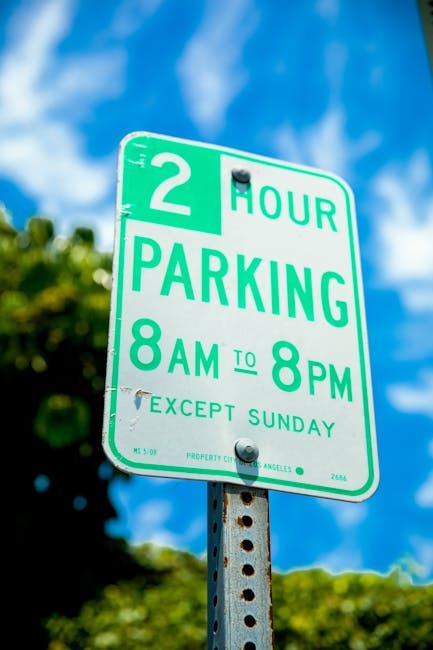
Council permits and parking rules for Finsbury Park removals
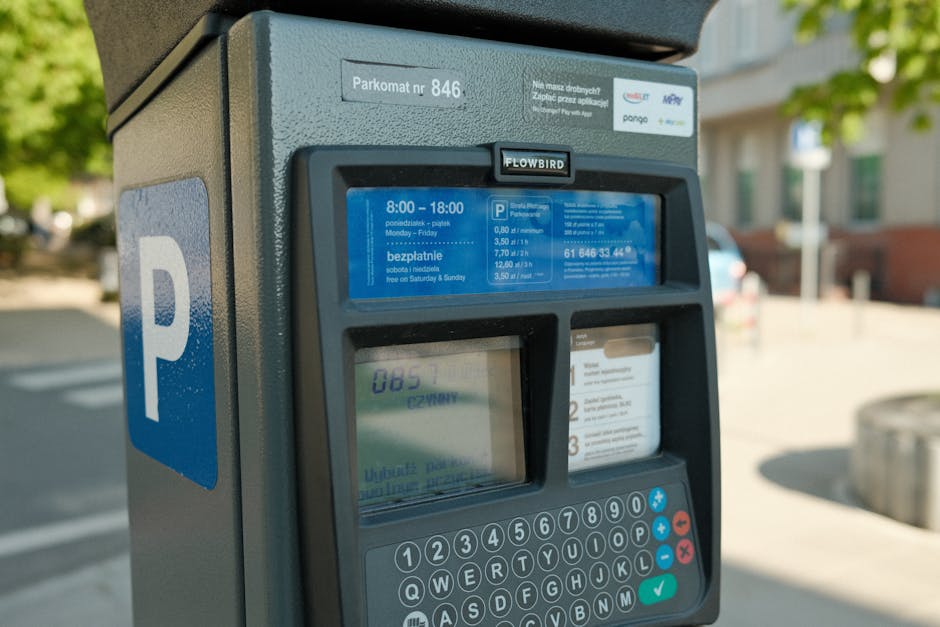
Moving house in Finsbury Park sounds straightforward until you picture the van circling for space, a loading bay already full, and a parking ticket landing on the doormat a week later. That is where council permits and parking rules for Finsbury Park removals start to matter. If you are planning a move in this part of north London, a little preparation can save a lot of stress, time, and avoidable cost.
This guide breaks down what to expect, how the local parking process usually works, who needs to plan ahead, and the practical steps that make moving day smoother. It is written for anyone trying to move efficiently without getting caught out by borough rules, suspensions, or the classic "just stop there for a minute" mistake. Truth be told, that minute can get expensive.
- Why council permits and parking rules matter
- How the parking and permit process works
- Key benefits and practical advantages
- Who needs this and when it makes sense
- Step-by-step guidance
- Expert tips for better results
- Common mistakes to avoid
- Tools, resources and recommendations
- Law, compliance, standards and best practice
- Options, methods and comparison table
- Case study or real-world example
- Practical checklist
- Conclusion
- Frequently asked questions
Why Council permits and parking rules for Finsbury Park removals Matters
Finsbury Park is busy, densely parked, and full of streets where space disappears early. On a normal day, that can make loading awkward. On moving day, it can turn into a proper headache. A removals van needs room not just to park, but to load safely, sometimes for several hours. If the vehicle blocks a bay, sits on yellow lines, or uses a suspended space without checking first, the move can quickly become more complicated than it needs to be.
Parking controls also vary street by street. One road may have resident permit bays, another may allow short-stay pay-and-display parking, and another may have restrictions during specific hours. That mix is exactly why it helps to plan in detail rather than rely on guesswork. The rules are not just there to be awkward. They manage traffic flow, protect access, and keep neighbours from being blocked in. Annoying? Sometimes. Necessary? Usually, yes.
For removals, the issue is not only where the van can stop, but how long it can stay there legally. You may also need to think about access for a larger vehicle, whether the street is one-way, if there are narrow corners, and whether a loading bay or suspension is needed. A move that looks simple on a map can become fiddly once you are standing on the pavement, keys in hand, trying to fit a lorry between parked cars and a row of wheelie bins.
That is why council permits and parking rules for Finsbury Park removals matter so much: they reduce risk, keep the move moving, and help you avoid preventable disruption.
Practical takeaway: the earlier you check parking restrictions, bay availability, and permit needs, the more likely your move is to stay calm, legal, and on schedule.
How Council permits and parking rules for Finsbury Park removals Works
In plain English, the process usually comes down to three things: where the removals vehicle can stop, whether that space is controlled, and whether any temporary arrangement is needed to make the stop lawful. The exact process depends on the street, the vehicle size, and the timing of the move.
Here is the basic logic. If the van can park in a place that is unrestricted and safe, you may not need anything beyond normal caution. If the road is controlled, you may need to use a permit bay, pay-and-display space, loading restriction, or apply for a temporary suspension or parking dispensation depending on the circumstances. For some moves, the removals company will already know what is needed. For others, the responsibility sits with the resident or property manager. It is a bit of a patchwork, to be fair.
In areas like Finsbury Park, the practical questions are usually:
- Is the street covered by resident or visitor parking controls?
- Are there loading-only restrictions at certain times?
- Can a removals van stop close enough to the property entrance?
- Is a larger vehicle likely to block traffic or access?
- Will the move need a temporary bay suspension or parking concession?
If you are also booking packing, dismantling, or storage support, the parking plan should match the wider moving plan. For example, if boxes will be loaded in stages, a short stop may not be enough. If bulky furniture has to come down several flights of stairs, a van parked fifty metres away is workable, but it slows everything down. In a narrow street on a wet Monday morning, that extra distance is suddenly very noticeable.
Some moves require more than one vehicle or a phased loading plan. In those cases, the parking setup matters even more. A good removals team will usually assess the street conditions and advise on the safest, most practical arrangement, not just the cheapest one.
Key Benefits and Practical Advantages
Good parking planning is not glamorous, but it pays off. A move that starts well often ends well, and parking is one of the main reasons that happens.
1. Less stress on moving day
When the van has a legal, sensible stopping point near the property, everything runs more smoothly. The team can load efficiently, and you are not left watching the clock while someone searches for a space two streets away.
2. Lower risk of fines or complaints
Parking incorrectly near a controlled bay, loading zone, or suspended space can lead to penalties or a complaint from residents. Nobody wants a move day to include a ticket. Not exactly the housewarming memory you were hoping for.
3. Faster loading and unloading
A close parking position can shave meaningful time off the move. That matters most when there are heavy items such as wardrobes, sofas, beds, or appliances.
4. Better protection for belongings
Shorter carrying distances reduce the chance of bumps, drops, or weather damage. In London, a sudden shower can turn a simple carry into a slippery little drama.
5. Easier coordination with neighbours and building managers
When the parking plan is clear, you can tell neighbours what is happening, avoid unnecessary obstruction, and keep building management informed. That goes a long way in shared blocks or converted houses.
For people comparing moving options, parking support is one of those hidden details that separates a smooth removal from a frustrating one. If you are still gathering service information more broadly, you may also find useful context on man and van services when planning a smaller or more flexible move.
Who This Is For and When It Makes Sense
This topic matters to more people than you might think. It is not only for large house removals. Anyone who needs a vehicle to stop legally near a property in Finsbury Park should pay attention.
You are likely to need to think about permits or parking controls if you are:
- moving from a flat, maisonette, or house in a permit-controlled street
- using a removals van, luton van, or larger vehicle
- moving into a street with limited waiting or loading rules
- working around tight access, narrow roads, or resident-only bays
- loading furniture from a block of flats with shared access
- arranging a move during busy weekday hours
It also makes sense if you are a landlord, letting agent, building manager, or family member helping with a move. Sometimes the person booking the van is not the person who has to sort the parking. That is where misunderstandings happen. One person assumes the driver will "just deal with it." The driver assumes someone else has arranged access. Then everyone is standing outside, looking at the same curb, and nobody is feeling very clever.
If the move involves specialist items such as pianos, heavy wardrobes, or multiple appliances, parking becomes even more relevant because the team may need a longer loading window and safer access close to the entrance.
In short, if the location is busy, controlled, or awkward - and Finsbury Park often is - parking planning is worth doing properly.
Step-by-Step Guidance
Here is a practical way to handle council permits and parking rules for Finsbury Park removals without overcomplicating things.
Step 1: Check the street conditions early
Start by looking at the exact road outside both properties. Do not just check the postcode area. One street in Finsbury Park may be straightforward, while the next may be tightly controlled. Look for signs, bay markings, yellow lines, loading restrictions, and any resident permit notices.
Step 2: Decide what size vehicle you need
A small van can often fit into tighter spaces, but a larger removals lorry may need more room. If your property has limited access, the vehicle choice may affect whether a permit, dispensation, or suspension is needed.
Step 3: Contact the relevant local parking team or your removals company
Do this well before the moving date. Some parking arrangements need advance notice. Others may only be confirmed closer to the day. Either way, last-minute calls are risky. And usually stressful, because the clock is already ticking.
Step 4: Confirm the loading and unloading plan
Work out where the vehicle will stop, how long it is likely to stay, and whether there is a backup option if another car is in the space. It helps to have a fallback plan, especially on streets where parking turns over slowly.
Step 5: Share instructions with everyone involved
The removals team, property contact, flatmates, landlord, or concierge should all know the plan. If someone needs to open gates or manage building access, tell them in advance.
Step 6: Prepare for the actual day
Put signs, keys, and paperwork somewhere easy to reach. Clear the hall if you can. Make sure no one has left bins, bikes, or random furniture in the route. It sounds obvious, but on moving day obvious things have a funny habit of disappearing.
A simple rule helps here: the more complicated the street, the earlier the planning. That one habit saves a surprising amount of grief.
Expert Tips for Better Results
These are the small details that often make the biggest difference.
- Photograph the kerbside before moving day. It helps you remember where restrictions, drop kerbs, and access points are located.
- Check for school runs and commuter traffic. In Finsbury Park, timing matters. A window that looks fine on paper can feel very different at 8:30 in the morning.
- Build in a buffer. A little extra time is not wasted time. It gives you room for lift delays, traffic, or a neighbour's parked car blocking the bay.
- Keep the property entrance clear. If bags, boxes, or loose items pile up at the door, the loading team slows down immediately.
- Ask about temporary suspension rules early. If a bay may need to be reserved or suspended, do not leave it until the week of the move.
- Have a second parking option in mind. One good fallback space can save the day if the first choice is occupied.
One useful local habit: if the street is especially tight, walk the route from the van's likely stopping point to the front door before the van arrives. It gives you a realistic sense of carrying distance, stairs, and obstacles. Sometimes the map lies a little. Not maliciously, just inconveniently.
If you are comparing moving support options and want a broader picture of what can be handled for you, it is worth looking at local removals and moving help as part of your planning process.
Common Mistakes to Avoid
Most parking problems on moving day are avoidable. The issue is usually not bad luck; it is a planning gap.
Leaving permit checks too late
If you wait until the day before, you limit your options. Some arrangements need time, and some simply cannot be sorted at short notice.
Assuming one street is like another
Finsbury Park streets can differ a lot. A road with broad access and regular bays is not the same as a narrow residential street with strict permit controls. Always check the exact location.
Forgetting the return trip
People often think only about the loading address. But the unloading address matters too, especially if you are moving into another controlled street or a block with restricted access.
Ignoring van size
A vehicle that is too large for the street can create a domino effect of problems: blocked traffic, awkward loading, and longer carry distances. Bigger is not always better. There, I said it.
Not telling neighbours or building staff
A quick note or polite heads-up can prevent complaints. It also makes it more likely someone will help if access needs a temporary adjustment.
Failing to plan for weather
Rain changes everything. Box handling, floor protection, and loading speed all matter more once the pavement is damp and the sky looks determined to be difficult.
Tools, Resources and Recommendations
You do not need a complicated toolkit to manage parking for a move, but a few practical items and habits help a lot.
- Printed directions and street notes for the removals team, especially if the area has one-way systems or hidden turns.
- Mobile phone contact numbers for the driver, property contact, and anyone with building access.
- Basic measuring tape if you need to confirm whether furniture can fit through a route or whether the vehicle will sit close enough to the door.
- Warning signs or polite notices for shared buildings when relevant, particularly in blocks with multiple residents.
- Household moving checklist so parking is not handled as an afterthought.
One of the best resources is still a thorough site visit or at least a careful walk-around of the street. Nothing beats seeing the actual access points, kerb space, and pinch points in person. In moving work, the pavement tells you more than a vague memory ever will.
If you want general moving support across different sizes of property, you may also want to review man and van moving options alongside the parking plan, especially for smaller or partial moves.
Law, Compliance, Standards, or Best Practice
Parking and removals in London sit within a mix of local rules, road restrictions, and general safety expectations. The details depend on the street and the local authority's current arrangements, so it is sensible to treat this as a planning topic rather than something to assume. If a space is controlled, loading is restricted, or a bay needs to be reserved, the relevant permissions should be checked in advance.
Best practice in this context usually means:
- parking only where stopping is lawful and safe
- making sure the vehicle does not block emergency access
- respecting resident bays, loading restrictions, and suspended spaces
- keeping footways usable where possible
- following the instructions of building managers or on-site staff when they are authorised to manage access
For removals crews, safe loading is also part of professional practice. That includes considering carry distance, manual handling, traffic exposure, and keeping the route clear. In many cases, the best arrangement is not the cheapest or fastest on paper, but the one that reduces risk and keeps the move compliant.
It is worth saying plainly: if a road or bay is restricted, do not hope for the best. London parking enforcement is not especially sentimental.
Options, Methods, or Comparison Table
There are a few common ways to handle parking during a Finsbury Park move. The right option depends on the street, vehicle size, and timing.
| Option | Best for | Pros | Limitations |
|---|---|---|---|
| Standard legal parking in an unrestricted space | Quiet streets or flexible timing | Simple, no special arrangement needed | Hard to find in busy areas; may mean longer carrying distance |
| Resident or visitor permit space | Controlled streets with available bays | Closer to the property; often practical for short stays | May still require permission, timing control, or local rules check |
| Loading bay use | Moves with heavy items or short-term loading | Efficient, designed for loading activity | Usually time-limited and may not suit long loading windows |
| Temporary bay suspension or dispensation | More complex moves or larger vehicles | Creates a clearer space for the van | Needs advance planning and is not always available |
| Distant parking plus trolley carry | Very tight streets or restricted areas | Flexible when no close space exists | Slower, harder work, more exposure to weather and traffic |
For most residents, the goal is not perfection. It is a workable, legal stop that keeps the move moving. If a loading bay or suspension is not available, a careful fallback option can still work well. The key is choosing it deliberately rather than discovering it on the doorstep.
Case Study or Real-World Example
Take a typical Finsbury Park flat move. The property is on a side street with controlled parking and a fairly narrow carriageway. The move involves two bedrooms, a sofa, dining table, and a few heavy boxes. On the day, the removals van cannot simply pull up outside because a resident car is already in the most obvious space.
Because the parking plan was checked beforehand, the team already had a backup route. They used a nearby legal stopping point with enough room to load safely and kept the carry route clear. The extra distance was not ideal, but it was manageable. More importantly, nobody had to scramble for a last-minute solution while traffic built up behind the van.
Now imagine the same move without planning. The van arrives, the space is full, someone starts phoning around, and the team loses twenty minutes while boxes sit in the hallway. One person is stressed, another is grumbling about the weather, and the move starts to feel bigger than it really is. That is how small admin issues become big moving-day problems.
It is a small example, but a very real one. The difference often comes down to preparation, not luck.
Practical Checklist
Use this checklist before moving day to keep council permits and parking rules under control.
- Check the exact parking restrictions on both streets
- Confirm whether the vehicle size is suitable for local access
- Ask whether a permit, dispensation, or suspension may be needed
- Confirm loading and unloading times
- Tell the removals team about narrow roads, one-way systems, or access issues
- Alert neighbours or building management if appropriate
- Clear the route from front door to van
- Prepare keys, phone numbers, and documents in one place
- Keep a backup parking plan in case the first space is unavailable
- Allow extra time for delays, traffic, or weather
Quick self-check: if you would be annoyed to discover a parking problem an hour before the van arrives, you probably need to confirm the arrangement now rather than later.
Conclusion
Council permits and parking rules for Finsbury Park removals are not the most exciting part of moving house, but they are often one of the most important. Get them right and the day feels much easier. Ignore them and even a well-organised move can become rushed, costly, and strangely chaotic.
The smart approach is simple: check the street, match the vehicle to the space, plan the loading point, and leave room for the unexpected. That is especially true in an area like Finsbury Park, where parking pressure and access issues can change the feel of a move in a heartbeat.
With a little planning, you can protect your schedule, avoid parking trouble, and make the whole process feel more manageable. And honestly, that calmer start is worth a lot when you are carrying boxes up stairs and trying to remember where the kettle box went.
Get a free quote today and see how much you can save.
Frequently Asked Questions
Do I need a permit for a removals van in Finsbury Park?
Not always, but you should check the exact street restrictions. If the road is controlled, the van may need to use a permit bay, loading area, or another lawful arrangement. A larger vehicle or longer loading time increases the chance that some advance planning will be needed.
Can I just stop on double yellow lines while moving?
Usually, no. Double yellow lines normally mean no waiting at any time unless a specific exemption applies, and you should not assume a removals job gives one. Always check the local rules and treat this cautiously.
How far in advance should I sort parking for a move?
As early as you can. For a straightforward move, a few weeks' notice is sensible. For more complicated streets, larger vehicles, or temporary suspensions, earlier is better. Leaving it until the last minute can limit your options.
What if someone is parked in the space I planned to use?
That is one of the most common moving-day problems. Having a backup space or a flexible plan helps a lot. If the street is controlled and you are expecting a reserved or suspended bay, confirm in advance what the fallback should be.
Are loading bays always available for removals?
No. Loading bays often have time limits or specific conditions. They can be very useful, but they are not a free-for-all. Check whether the bay suits the length of your move and the size of the vehicle.
What size van is best for Finsbury Park streets?
That depends on the property and access. Smaller vans can be easier on tight roads, while larger removals vehicles may be more efficient for bigger moves. The best choice balances access, loading time, and the amount you need to move.
Can building management help with parking?
Yes, sometimes. In blocks of flats or managed properties, the concierge, landlord, or building manager may be able to advise on access, loading points, or temporary arrangements. They may not control the public highway, but they can still help the move run smoothly.
What should I tell my removals company before moving day?
Tell them about parking restrictions, narrow streets, stairs, lift access, entry codes, and any likely delays. The more accurate the information, the better they can plan the vehicle, crew, and timing.
Is a parking suspension always worth it?
Not always. It depends on how difficult the street is, how long the move will take, and whether the added cost or admin is justified. For some moves, a suspension makes everything easier. For others, a different parking plan is enough.
What happens if we get parking wrong on the day?
You may face delays, extra carrying distance, complaints, or a penalty. Sometimes the issue can be managed quickly, but sometimes it ripples through the whole move. That is why checking beforehand is so valuable.
Does Finsbury Park parking planning matter for small moves too?
Yes. Even a small move can be awkward if the vehicle cannot stop safely or legally near the entrance. In fact, smaller jobs can be more vulnerable to delays because people often assume they will be easy and skip the parking check.
What is the smartest first step if I am moving soon?
Check the exact street restrictions for both addresses and speak to your removals provider about vehicle size and loading access. That single step usually clarifies the rest of the plan and makes everything less rushed.