Islington Council rules for furniture removals in N4
If you are planning a furniture removal in N4, the last thing you want is a van stuck outside, a missed permit, or a bulky sofa causing trouble on the pavement. The rules around Islington Council rules for furniture removals in N4 can feel a bit fiddly at first, especially if you are moving from a flat with tight access, limited parking, or shared stairwells. Truth be told, that is exactly where a little local know-how saves time, stress, and sometimes money.
This guide breaks the topic down in plain English. You will learn why the council rules matter, how furniture removals usually work in practice, what to check before moving day, and how to avoid the common mistakes that catch people out. It is written for real life, not theory. Because let's face it, the move still has to happen on a Tuesday morning when the lift is busy and your hallway is already full of boxes.
Table of Contents
- Why Islington Council rules for furniture removals in N4 Matters
- How Islington Council rules for furniture removals in N4 Works
- Key Benefits and Practical Advantages
- Who This Is For and When It Makes Sense
- Step-by-Step Guidance
- Expert Tips for Better Results
- Common Mistakes to Avoid
- Tools, Resources and Recommendations
- Law, Compliance, Standards, or Best Practice
- Options, Methods, or Comparison Table
- Case Study or Real-World Example
- Practical Checklist
- Conclusion
- Frequently Asked Questions
Why Islington Council rules for furniture removals in N4 Matters
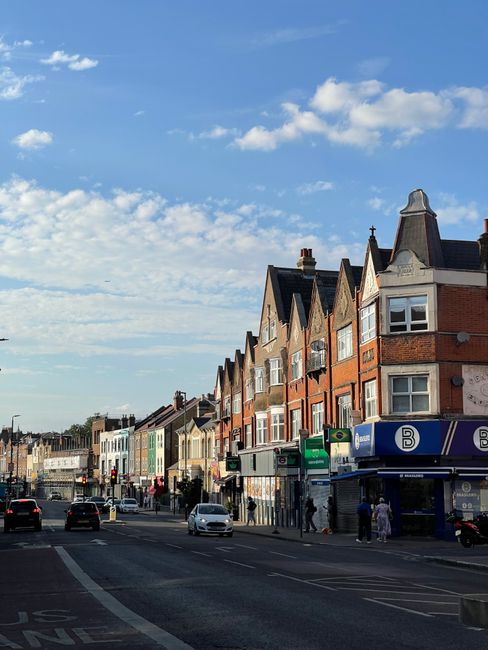
N4 includes busy residential streets, flats with shared entrances, terrace homes with narrow frontages, and roads where parking can be tight at the best of times. That mix makes furniture removals more sensitive than people expect. A sofa does not magically squeeze through a problem bay, and a wardrobe will not politely wait while a double yellow line ticket is sorted out.
The council rules matter because furniture removals often touch several issues at once: parking, loading, obstruction, waste disposal, and neighbour access. If you are moving in or out of the area, you may also need to think about timing, access routes, and whether your vehicle can stop legally long enough to load safely. A small oversight can cascade into delays. One missed check and suddenly the whole afternoon feels out of control.
In practical terms, following local rules helps you:
- load and unload without unnecessary fines or complaints
- reduce the chance of blocking traffic or pavements
- protect your furniture from rushed handling
- keep the move calmer for neighbours and building managers
- avoid last-minute changes that cost time and energy
If you are comparing moving options, local support can help. Some people prefer a simple man and van setup, while others need a fuller service for large or awkward items. For a broader overview of moving support, you may find the site's removal services page useful, especially if your move involves more than a few heavy pieces.
How Islington Council rules for furniture removals in N4 Works
The phrase "council rules" can sound formal, but in day-to-day moving life it usually comes down to a few practical questions. Where can the vehicle stop? How long can it stay there? Is the street restricted at that time? Will the move affect neighbours, pedestrians, or local traffic? And if the furniture is being removed for disposal rather than relocation, are you handling it properly?
In N4, the exact requirements depend on the street, the time of day, the type of vehicle, and whether you need space near the property entrance. Some moves are straightforward. Others need more planning because of controlled parking zones, narrow side roads, or busy periods around local schools, shops, or commuter routes. You do not want to discover a restriction while holding a bed frame in the rain. Not ideal, obviously.
At a practical level, the process usually looks like this:
- Check access at both ends of the move.
- Confirm whether the vehicle can stop legally where you need it.
- Plan the loading route from the property to the vehicle.
- Prepare furniture so it can be moved quickly and safely.
- Keep an eye on timing, especially if the street is busy.
- Arrange disposal or donation separately if the furniture is not coming with you.
For moves that involve a specific vehicle size, it helps to think ahead about manoeuvring space. A larger removal van may be more efficient for volume, but a smaller vehicle can sometimes work better on tighter streets. If you are weighing up vehicle choice, the moving van and man and van pages can give you a sense of the kinds of setups people commonly use.
What usually causes problems
The most common friction points are simple ones: parking too far away, underestimating the time needed, forgetting that lift access may be shared, or leaving bulky items in a communal area longer than expected. Small things, really. But small things are often what trip people up.
For furniture removals in N4, the best approach is to think like a local. Picture the street in the real world at the exact time you plan to load: cars parked along both sides, someone letting a dog out, a delivery driver waiting, maybe a cyclist coming through. That mental rehearsal helps more than people expect.
Key Benefits and Practical Advantages
When you get the planning right, the benefits are immediate. The move becomes calmer, quicker, and more predictable. There is less standing around. Less backtracking. Fewer awkward conversations with neighbours who are trying to get past with shopping bags and a buggy.
Here are the practical advantages of working with the council rules in mind:
- Better timing: You can schedule the move around local restrictions and the building's access hours.
- Less risk of penalty: Legal stopping arrangements reduce the chance of a parking issue.
- Safer lifting: Faster loading usually means less time carrying heavy items.
- Cleaner handover: If you are leaving a flat, a tidy and organised exit looks better for landlords or agents.
- Less stress overall: A move with a plan feels very different from one built on guesswork.
There is also a quieter benefit people overlook: good planning protects relationships. In a dense neighbourhood, that matters. No one wants to be the person who blocks a driveway, leaves a wardrobe in the hall, or makes the entire street wait while a van double-parks with hazard lights on. A smooth move is a considerate move.
If you are trying to keep the whole process affordable, local planning can also support better pricing. Efficient loading and a clear route can reduce wasted labour time. For cost-minded readers, the pricing and quotes page is a sensible place to compare what different kinds of moving support may involve.
Who This Is For and When It Makes Sense
These rules matter for anyone moving furniture in N4, but they are especially useful if you are in one of the following situations:
- you are moving from a flat with limited street access
- you need to move one or two large pieces, not a full household
- you are replacing furniture and need the old items removed quickly
- you have a same-day or short-notice move
- you manage a rental turnaround and need the property cleared on time
- you are relocating a home office or a few bulky items between addresses
It also makes sense if you are simply unsure whether your street setup is practical. Some roads are fine for a quick load. Others are a little awkward and need a more careful approach. You will know the difference pretty quickly once you stand outside with a measuring tape, a sofa, and that mildly hopeful expression people get before the reality check.
For larger household jobs, a fuller home moving service may be the better fit. If the furniture removal is part of a bigger relocation, the home moves and house removals pages are relevant starting points.
Step-by-Step Guidance
Here is a practical way to handle furniture removals in N4 without making the day harder than it needs to be.
1. Walk the route first
Look at the path from the furniture to the vehicle. Check door widths, stairs, corners, and any awkward turns. A quick walk-through can save a very long carry. If the sofa has to pivot at the top of the stairs, for example, you want to know that before the pickup crew arrives.
2. Check parking and stopping options
Confirm where the van can legally stop, how far it will be from the entrance, and whether the driver will need to wait or return later. In a busy part of N4, that can make the difference between a tidy loading bay and a frustrating shuffle.
3. Decide what is being moved
Make a clear list of the furniture items. Bed frames, wardrobes, dining tables, sofas, desks, and white goods all have different handling needs. This is also the moment to decide whether anything is being donated, recycled, or simply thrown away.
4. Dismantle what you can
Furniture that can be safely dismantled often moves faster and with less risk of damage. Keep screws and fittings in a labelled bag. A very glamorous task, no. A useful one, absolutely.
5. Protect the property and the furniture
Use blankets, covers, tape, and floor protection where needed. Hallways in London flats can be scuffed fast, and nobody enjoys repairing a chipped wall after an already tiring day.
6. Load in a sensible order
Put the heaviest and most awkward pieces in first, then stack lighter items around them. That helps keep the load stable and saves time at the other end.
7. Separate disposal from relocation
If some furniture is going to waste rather than the new address, do not mix that decision up on the day. Keep clear bags or labels for items being recycled, donated, or discarded. It sounds simple, but confusion on moving day is where mistakes breed.
8. Leave the area tidy
Whether you are moving out or clearing a room, make sure the entrance, pavement area, and communal spaces are left clean and clear once the work is done.
Expert Tips for Better Results
The moves that go best are rarely the ones with the biggest vans. They are the ones with the best preparation. After enough local removals, a pattern becomes clear: people who plan access, timing, and item order usually have a far smoother day.
Here are a few tips that make a real difference:
- Start earlier than you think. Morning moves can be easier because streets are often calmer and everyone has more energy.
- Keep a "first out, last in" box. Put tools, tea bags, phone chargers, and keys somewhere easy to reach. You will thank yourself later.
- Use shorter carrying runs where possible. If the van cannot park right outside, station someone at the door to pass items along safely.
- Measure large furniture twice. One quick measurement is good. Two is better. A wardrobe that will not turn a corner is nobody's favourite surprise.
- Communicate with neighbours. A quick heads-up can avoid complaints and buy you goodwill.
- Plan for weather. London drizzle has a knack for appearing exactly when cardboard boxes are at their least glamorous.
A slightly underrated trick: keep cleaning cloths and bin bags in the same place as your moving essentials. Once the furniture is gone, dust has a way of appearing in every corner, as if invited.
If you are hiring help, it is worth checking whether the mover has suitable vehicle cover, handling practices, and transport insurance. The insurance and safety page explains the sort of safeguards a careful mover should take seriously.
Common Mistakes to Avoid
A lot of moving-day headaches come from a handful of repeat mistakes. They are easy to avoid if you know what to watch for.
Leaving parking decisions too late
People often think the van will just "find a spot." Sometimes it does. Often it does not. In a dense area like N4, that gamble can waste a lot of time.
Forgetting loading time
Even a short furniture removal can take longer than expected if there are stairs, tight corners, or bulky items. Build in breathing room.
Not checking building rules
Some blocks have their own access rules, lift booking requirements, or quiet-hour expectations. These are not always the council's rules, but they matter just as much on the day.
Mixing disposal with moving
Old furniture, moveable items, donation piles, and rubbish should be separated clearly. Otherwise, things get muddy fast.
Underestimating awkward pieces
A dining table is rarely just a table. It is a long, heavy, corner-catching object with opinions. Treat awkward furniture with respect.
Ignoring neighbour impact
Blocking shared spaces or dragging items too noisily through the hall can create avoidable friction. A calm, tidy move is usually the best move.
It sounds basic, but basics are what save the day.
Tools, Resources and Recommendations
You do not need a van full of specialist gear for every removal, but the right tools make the process safer and quicker. For most furniture jobs in N4, these items are worth having on hand:
- furniture blankets or thick moving pads
- ratchet straps or tie-downs
- tape and small labelled bags for screws and fittings
- protective gloves
- floor covering or old sheets
- basic tools for dismantling beds, desks, or shelving
- a trolley or sack barrow for heavier items
If you are deciding between doing it yourself and hiring help, think about the total job, not just the sofa. The real question is: how much carrying, lifting, waiting, and parking trouble are you willing to absorb yourself? That answer is different for everyone, and fair enough.
For readers comparing service types, these pages may help you narrow things down:
- furniture pick up for individual bulky items
- man with van for flexible loading support
- removals near me if you are checking local options
- packing and unpacking services if the move involves more than lifting
If sustainability matters to you, it is also worth thinking about what happens after the furniture leaves your property. Reuse, donation, and recycling are often better than sending workable items to waste. The recycling and sustainability page is useful if you want a more responsible approach.
Law, Compliance, Standards, or Best Practice
Furniture removals in a London borough can involve more than common sense. While this article is not legal advice, it is wise to treat local parking, access, and waste disposal with care. The safest approach is to assume that if an item is being left behind, dumped, or obstructing a shared space, you need to handle it properly and not casually.
Good practice usually includes:
- using a vehicle and loading method that does not create avoidable obstruction
- keeping pavements and shared entrances clear for pedestrians
- making sure waste furniture is taken to the proper place, not left beside a bin store or on the street
- checking any building-specific moving rules before the appointment
- ensuring the move is covered by sensible insurance and handled by trained movers where needed
In the UK, duty of care around waste and safe handling is not something to treat casually. If you are unsure whether an item is waste, reuse, or donation, separate it before moving day rather than deciding in the hallway under pressure. That is usually where mistakes happen.
For a careful operator, compliance is not just about avoiding trouble. It is about showing respect for the street, the property, and the people around you. Simple idea, really. But it matters.
Options, Methods, or Comparison Table
Different furniture removal methods suit different jobs. The right choice depends on access, volume, budget, and timing. Here is a simple comparison to help.
| Method | Best for | Strengths | Limitations |
|---|---|---|---|
| DIY with car or small van | Very small items or single loads | Low upfront cost, flexible timing | Heavy lifting, access issues, higher risk of delays |
| Man and van | One-off furniture moves, smaller homes, local removals | Flexible, practical, often efficient in tight streets | May need careful scheduling in busy parking areas |
| Full removal service | Larger household moves or multiple bulky items | More support, better for complex jobs | Usually higher cost than a basic one-man setup |
| Furniture-only pickup | Single sofas, beds, wardrobes, or cleared rooms | Simple for isolated bulky items | Less suitable if the move includes many boxes too |
There is no universal "best" option. A second-floor flat with no lift and a heavy wardrobe usually needs a different plan from a ground-floor pickup of two chairs and a table. Common sense wins here.
If you are comparing broader moving categories, the man with van removal, house movers, and office removals pages can help match the method to the job type.
Case Study or Real-World Example
Here is a realistic example. A tenant in N4 needs to clear a bedroom set, a sofa, and a desk before the end of the tenancy. The building has a shared entrance, the street parking is limited, and the lift is small enough that the desk will probably need to be turned on its side. Not dramatic. Just a bit annoying, which is often how these things go.
The move goes better because the team does three simple things well:
- they check the access route before arrival
- they keep the loading area clear and use blankets for the hallway
- they separate the items being moved from the item being disposed of
The result is a quicker load, less damage risk, and no frantic reshuffling when the van arrives. The resident also avoids leaving furniture in the communal area overnight, which is one of those details that sounds minor until you have to live with the consequences.
In a case like that, the outcome is not really about luck. It is about preparation, local awareness, and staying realistic about space and timing. The smooth jobs are usually boring in the best possible way.
Practical Checklist
Use this checklist before furniture removal day in N4:
- Confirm what furniture is being moved, kept, donated, or disposed of
- Measure large items and the main access points
- Check parking, stopping, and loading options near the property
- Ask about any building or landlord access rules
- Book the right van size for the job
- Prepare tools, tape, bags, and protective covers
- Dismantle furniture where it is safe and sensible to do so
- Notify neighbours if the move may affect shared space
- Plan for weather and protect floors and walls
- Keep keys, documents, and valuables separate from the move load
- Make sure any disposal items are handled properly
- Leave entrances, stairs, and communal areas tidy
Quick check. If you cannot answer one of those items confidently, pause and sort it before moving day. That little bit of preparation usually pays for itself.
Conclusion
Understanding Islington Council rules for furniture removals in N4 is less about memorising legal language and more about doing the move in a sensible, local, low-stress way. Parking, access, timing, safety, and disposal all matter. Get those pieces right, and even a tricky flat move becomes manageable.
The best results usually come from simple habits: measure first, plan access, use the right vehicle, and keep the route clear. Whether you are moving a single sofa or clearing a whole room, the same principle applies. A calm, organised approach saves time and helps everyone involved.
Get a free quote today and see how much you can save.
And if you are still weighing up your next step, take a breath. A well-planned furniture removal is entirely doable, even on a busy London street.
Frequently Asked Questions
Do I need special permission for furniture removals in N4?
It depends on the street, the vehicle, and whether the move affects parking or access. In practice, the main issue is usually making sure the vehicle can stop legally and that the loading does not cause an obstruction.
What is the best time of day to move furniture in N4?
Earlier in the day is often easier because streets can be calmer and access is less awkward. That said, the best time depends on local traffic, parking restrictions, and any building rules you need to follow.
Can I leave old furniture on the pavement for collection?
Not as a casual solution. Unattended furniture can create obstruction and may be treated as fly-tipping or nuisance waste. It is better to arrange proper collection, reuse, or disposal.
Is a man and van suitable for furniture removals in N4?
Yes, for many jobs it is a practical choice, especially if you are moving a few bulky items or dealing with tight local streets. For larger household moves, a fuller service may be more suitable.
How far in advance should I plan a furniture removal?
For a simple pickup, a short lead time may be enough. For anything involving parking challenges, stairs, or multiple items, planning a few days ahead is much safer.
What furniture is hardest to move in a London flat?
Large wardrobes, sofas, bed frames, and heavy tables tend to be the most awkward. The problem is often not just weight, but turning space, stairs, and narrow doorways.
Do I need to dismantle furniture before removal?
Not always, but dismantling larger items can make the move faster and safer. If an item can be taken apart without damage, it is usually worth considering.
How can I avoid parking problems during a furniture pickup?
Check the street in advance, choose a sensible time, and make sure the vehicle plan fits the access conditions. In busier parts of N4, a few minutes of planning can save a lot of hassle.
What should I do with furniture I do not want to keep?
Decide early whether it will be donated, recycled, or disposed of. Keeping that decision clear prevents confusion on the day and makes the move much smoother.
Are there safety issues with moving large furniture myself?
Yes. Heavy lifting, awkward carrying, and poor handling can lead to injuries or damage. If something feels too heavy, too bulky, or too risky, it is sensible to get help.
Can furniture removal be combined with a full house move?
Absolutely. Many people combine both, especially when clearing out or relocating a home. If that is your situation, a broader moving service may be more efficient than booking separate jobs.
What if my building has its own moving rules?
Follow them. Building rules can be stricter than general street-level expectations, especially for lift bookings, access times, and shared areas. Checking those rules early avoids last-minute friction.
If you want a smoother move, start with the access details first. Everything else tends to fall into place after that.