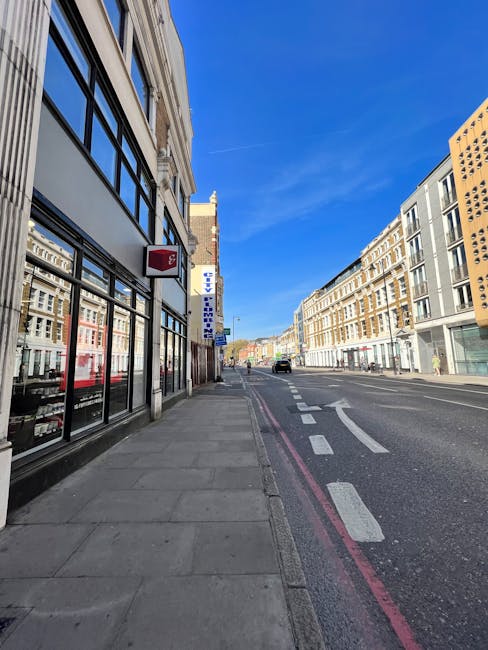
Office removals for Finsbury Park Blackstock Road businesses: a practical guide to moving without losing momentum
If you run a business on or near Blackstock Road, an office move can feel like trying to juggle phones, laptops, files, and a kettle all at once. Office removals for Finsbury Park Blackstock Road businesses need more than a van and a few boxes; they need timing, coordination, and a plan that keeps your team working while the move is happening. The good news? With the right preparation, it can be far less chaotic than people fear.
In this guide, we'll walk through how an office move works locally, what to watch out for, and how to make sensible decisions on packing, access, scheduling, and storage. You'll also find a checklist, a comparison table, and a realistic example from a small business perspective. No fluff. Just the useful stuff.
Why Office removals for Finsbury Park Blackstock Road businesses Matters
Blackstock Road sits in a busy part of north London where time, access, and street conditions can make a simple move feel complicated very quickly. If you've ever tried to load furniture while delivery traffic is inching past, you'll know the feeling. Office removals here matter because even a short delay can affect client calls, staff productivity, and trading hours.
For small and medium-sized businesses, a move is rarely just about shifting desks. It can involve IT equipment, confidential paperwork, shelving, branded materials, stock, and sometimes specialist items such as filing cabinets or display pieces. And let's face it, when the office is the heart of the business, even a half-day of disruption can be annoying. More than annoying, actually.
The local context matters too. Finsbury Park is a mixed area with residential streets, main-road traffic, and frequent delivery activity. That means access planning is not an optional extra. If you want a move that stays calm, you need to think about loading access, parking, building entry, lift availability, and the time of day you're moving. A little planning goes a long way here.
Many businesses also find it useful to look at broader service options before deciding on the right setup. If you are still comparing approaches, the general services overview can help you understand how different removal types fit together, while removal services in Finsbury Park offer a wider picture of what can be arranged for a business move.
Expert summary: The best office moves are not the fastest ones on paper; they are the ones that protect business continuity, reduce avoidable damage, and keep staff clear on what happens next.
How Office removals for Finsbury Park Blackstock Road businesses Works
A well-run office removal usually follows a predictable pattern, even if the details change from one business to the next. First comes the survey or discussion, then planning, packing, dismantling, loading, transport, unloading, and setup. Simple enough in theory. In practice, each stage needs someone to own it.
The process normally starts with an inventory. This is just a clear list of what needs to go: desks, chairs, screens, archive boxes, printers, server equipment, meeting room items, kitchen contents, and anything fragile or awkward. The more precise this list is, the easier it becomes to estimate vehicle size, labour, and timing. If you skip this part, the day can get messy in a hurry.
Next comes access planning. Blackstock Road businesses may face tight loading windows, narrow approaches, shared entrances, or limited waiting space outside the building. A removal team should know how to work around that, but your side still needs to confirm building rules, key holding arrangements, and the best time for vehicle arrival.
Packing is often the point where office moves either stay tidy or lose control. Sensitive items need labelled boxes, cables need to be grouped properly, and important paperwork should be separated from general clutter. If your team can work in a phased way, you avoid that classic last-minute scramble on moving day where somebody is still unplugging the monitor at 6:50 a.m.
On the day itself, good removals teams usually protect floors, manage lifting carefully, and load the van in a sequence that makes unloading efficient. For many local businesses, a straightforward vehicle such as a removal van in Finsbury Park is enough for smaller offices, while larger office contents may need a fuller crew and more than one trip. If your move is tightly timed, you may also want to explore man and van support in Finsbury Park for lighter office moves or phased transfers.
Key Benefits and Practical Advantages
The obvious benefit is that your move gets done. But the real value is in how it gets done. A thoughtful office move protects cash flow, staff morale, and your professional image. That sounds a bit formal, but it's true.
- Less downtime: When the move is scheduled properly, your team spends less time waiting around and more time getting back to work.
- Lower damage risk: Proper packing and handling reduce the odds of broken kit, scratched furniture, or missing items.
- Cleaner handover: A structured move makes it easier to leave the old office in good condition and settle into the new one smoothly.
- Better team coordination: Staff know what they are packing, what they are responsible for, and when each stage happens.
- More predictable costs: Good planning helps avoid avoidable extras, such as unexpected waiting time or repeated loading trips.
There is also a quieter benefit people underestimate: peace of mind. Once you know files are labelled, furniture is mapped out, and key items are protected, the move stops feeling like a looming problem. It becomes a task. A manageable task. Much nicer.
If your business has storage needs during the transition, temporary holding space can help. It is often better to store surplus items than to cram them into the new office on day one. For that, storage in Finsbury Park can be a useful option when fit-out work, lease overlaps, or staggered moves are involved.
Who This Is For and When It Makes Sense
This type of move is relevant for a wide range of businesses. Not just large firms with formal premises. In fact, many of the trickiest moves are from compact office spaces where one room somehow contains the whole company.
It may make sense if you are:
- moving from a shared workspace into your own office
- upgrading to a larger premises near Blackstock Road or the wider Finsbury Park area
- downsizing and need help protecting your essential equipment
- reconfiguring a studio, practice, or back-office space
- moving after a lease change or refurbishment
- splitting one office into two locations
- needing a same-day or near-immediate move because timing has become awkward
Different businesses have different needs. A creative agency might care most about screens, artwork, and desktop setups. A legal or admin team will worry more about files and confidentiality. A small consultancy may simply need the move done with minimal fuss and no drama. To be fair, that last one is probably most people's preference.
If you run a business that overlaps with home-working or mixed-use spaces, you may also find the wider local moving advice useful. For example, the site's flat removals in Finsbury Park page can be helpful if your office setup is inside a converted flat or if you're moving items from a home-based workspace.
Step-by-Step Guidance
Here is a practical way to approach the move without making it harder than it needs to be.
- Confirm your move date and building access. Check the new office is ready, the old office can be vacated on time, and any building management rules are clear.
- Create a full office inventory. Write down what stays, what goes, and what should be recycled, stored, or disposed of separately.
- Assign internal owners. One person should manage IT, another packing, another keys and documents. Too many cooks, and all that.
- Sort out packing materials early. Boxes, tape, labels, bubble wrap, and crates should be ready before the week of the move.
- Back up data and protect devices. The physical move should not become a data-risk event. That part is easy to forget until it isn't.
- Label everything clearly. Use room names, department names, or priority labels so unpacking is logical rather than guesswork.
- Protect sensitive or valuable items. Put confidential documents, cash, and critical devices in separate handling groups.
- Confirm vehicle access and parking. Especially important on busy roads where space can vanish at the wrong moment.
- Move in stages if needed. If the office has a mix of urgent and non-urgent items, split the move into phases.
- Do a post-move sweep. Check the old site for overlooked files, chargers, keys, and small items. They always hide somewhere odd.
If you want the move handled in a more flexible way, a local team offering man with a van services in Finsbury Park can be suitable for lighter, quicker office jobs. For more complex relocation support, take a look at removal companies in Finsbury Park and compare the scope carefully.
Expert Tips for Better Results
In our experience, office moves go better when people prepare for the boring parts, not just the visible ones. The obvious stuff gets done. It is the tiny forgotten bits that trip you up.
- Move the least essential items first. Archive boxes, spare stock, and rarely used furniture can be moved before the core workstations.
- Keep a "day one" box for each team. Include chargers, stationary, key documents, and anything needed immediately after arrival.
- Photograph cable setups. It sounds small, but a quick phone photo saves time when reconnecting monitors, docks, and printers.
- Protect reception and client-facing spaces. First impressions matter. A reception area that looks half-opened can feel unfinished, even when the move is basically fine.
- Plan around business hours carefully. Early starts and late finishes are often easier than trying to move in the middle of the working day.
- Keep one person in charge on the day. Decisions need to be fast, especially when access changes unexpectedly.
It also helps to think about sustainability while you move. Not every chair, file cabinet, or shelf needs to be thrown out. If items can be reused or recycled, that's often the cleaner, cheaper route. The company's recycling and sustainability information is worth a look if you want to reduce waste during the transition.
And if your move is tied to a broader business change, such as growth, relocation strategy, or area repositioning, there are some useful local reads too, including a guide to investing in Finsbury Park property and buying and selling homes in Finsbury Park. Not office-moving articles exactly, but they help you understand the local market and how businesses fit into it.
Common Mistakes to Avoid
Most office move problems are avoidable. Not all, but most. The common pattern is usually the same: too little planning, too much assumption, and a last-minute rush that creates avoidable stress.
- Leaving IT until the last minute. This is one of the fastest ways to extend downtime.
- Underestimating the number of boxes. Office clutter expands like magic once packing begins.
- Forgetting building restrictions. Lift bookings, access windows, and loading rules can all affect timing.
- Not labelling items by department or room. Without labels, unpacking becomes guesswork.
- Assuming all quotes cover the same things. One price may include packing and loading help; another may not. Always check.
- Ignoring insurance questions. It is sensible to know what is covered before the first item is lifted.
- Trying to move and work normally at the same time. That sounds efficient until everyone is distracted and productivity disappears.
A subtle one: people often forget to tell clients and suppliers about the move properly. A simple address change can affect deliveries, appointments, and post. Keep that communication tight, especially if your office handles time-sensitive work.
If you are comparing prices, it is wise to read guidance on avoiding hidden charges in removal quotes. That page can help you spot the usual traps before you commit.
Tools, Resources and Recommendations
You do not need fancy software to manage a move, but a few simple tools make a real difference:
- Shared task list: A basic spreadsheet or project board works fine for move tasks and deadlines.
- Colour-coded labels: Helpful for assigning boxes to teams, rooms, or priority levels.
- Zip ties and cable bags: Small, practical, and oddly reassuring.
- Archive boxes: Better than random reuse boxes when files need to stay organised.
- Floor and surface protection: Useful when moving through shared entrances or finished spaces.
- Storage support: Good for phased handovers, surplus furniture, or temporary overflow.
For companies that want support tailored to moving day, the most useful starting points are the local office removals in Finsbury Park service itself and the broader removal services in Finsbury Park page. If you need a smaller job or a lighter-touch setup, man and van in Finsbury Park is worth comparing against a full crew.
And if you'd like to understand the business behind the service before booking, there's also the about us page. Sometimes that little bit of background gives confidence, especially when you are trusting someone with computers, records, and the office chair that nobody wants to sit on, but everyone claims.
Law, Compliance, Standards, or Best Practice
For an office move, compliance is mostly about ordinary business responsibility done properly. That includes protecting personal data, handling property safely, keeping staff informed, and working within building rules. If your office stores personal information, you should treat files, hard drives, and devices with appropriate care during transit.
It is also sensible to think about health and safety. Manual handling, trip hazards, and heavy lifts should be managed carefully. A competent removal team should work in a way that reduces risk to staff and property. If you want to know how a provider thinks about that side of the work, the health and safety policy page is a useful reference point.
Insurance matters too. Not in a scare-mongering way, just in a practical one. Ask what happens if an item is damaged during loading, how claims are handled, and whether specific items need to be highlighted in advance. The company's insurance and safety information is the right place to start.
There are also standard business expectations around clarity in pricing, fairness in service descriptions, and transparent terms. The more clearly a provider explains what is included, the easier it is for your team to plan. If you are booking online or paying in advance, it can help to review payment and security and terms and conditions so there are no surprises later.
For businesses handling privacy-sensitive material, it is worth remembering that confidentiality is not only a legal issue, it is a trust issue. Keep important documents boxed separately, label them clearly, and avoid leaving them unsecured in shared areas. Simple, but important.
Options, Methods, or Comparison Table
Different office moves need different levels of support. Here is a straightforward comparison to help you think it through.
| Option | Best for | Strengths | Watch out for |
|---|---|---|---|
| Man and van | Small offices, light equipment, phased moves | Flexible, often quick to arrange, suitable for smaller loads | May not suit large furniture or a full office fit-out |
| Dedicated removal van with help | Medium office moves with desks, chairs, boxes, and IT kit | Better for organised loading and unloading, more efficient for bigger loads | Needs clearer planning and load preparation |
| Full office removal service | Larger relocations, complex access, or time-sensitive moves | Most support, better for coordinating multiple items and staff needs | Usually requires more lead time and more detailed briefing |
| Storage plus move | Moves with delays, refurbishments, or staggered handovers | Useful buffer between old and new premises, helps reduce clutter | Requires a little extra coordination and labelling |
If you're unsure which method fits your business, a quick comparison of removals in Finsbury Park and local removal companies can make the decision easier. The right choice is usually the one that matches your load, access, and timing rather than the one that sounds impressive on paper.
Case Study or Real-World Example
Here's a realistic example. A small design studio near Blackstock Road needed to move from a compact shared office into a slightly larger space a few streets away. Nothing dramatic, but the timing was tight: the lease ended on Friday, the new office needed desks assembled over the weekend, and the team could not afford a full day of downtime on Monday.
What worked well? They split the move into three groups: immediate-use items, archive items, and non-essential furniture. The team labelled every box by desk number, packed client files separately, and photographed cable setups before unplugging anything. One person handled building access, another checked the new office layout, and the removal crew managed loading and transport in a single organised run.
The useful part wasn't that the move was glamorous. It wasn't. There were still a few lost pens, as there always are. But the office was usable much faster than expected because the team had prepared for the boring bits properly. They also used temporary storage for one shelving unit and some spare chairs, which kept the new space uncluttered.
That sort of move is exactly where a local, responsive service earns its keep. If a move needs to happen quickly, the option of same-day removals in Finsbury Park may also be worth considering, though of course only if access and packing are realistic. Same-day sounds brilliant until you remember the scanner is still under someone's desk.
Practical Checklist
Use this checklist to keep the move on track. Print it, copy it, scribble on it. Whatever works.
- Confirm the move date, time, and access details for both properties
- Check parking/loading arrangements on Blackstock Road and nearby streets
- Make a full inventory of furniture, IT, files, and supplies
- Assign one person to oversee the move on the day
- Back up digital data and disconnect devices safely
- Label boxes by department, desk, or room
- Separate confidential documents from general items
- Arrange packing materials early
- Decide what to move, store, recycle, or dispose of
- Confirm any storage requirements in advance
- Notify staff, clients, and suppliers of the new address
- Check the new office is ready before the move begins
- Review insurance, payment, and service terms before booking
- Do a final sweep of the old office for missed items
If your move still feels a little overwhelming, that's normal. Most office moves feel bigger than they are right up until the plan is written down. Then it becomes a sequence of tasks, and those are easier to manage.
For packing support, you can also look at packing and boxes in Finsbury Park and package and boxes in Finsbury Park, especially if you want to keep the move organised from the first label to the last chair.
Conclusion
Office removals for Finsbury Park Blackstock Road businesses work best when they are treated as a business project, not just a transport job. That means planning the layout, protecting equipment, managing access, and keeping communication tight. Do that well and the move feels manageable. Maybe even calm, which is rare but lovely.
The businesses that cope best are usually the ones that prepare early, label clearly, and choose the right level of support for the size of the move. If you are facing a relocation, refurbishment, expansion, or simple change of premises, the smartest move is to get organised before the boxes start piling up by the door.
Get a free quote today and see how much you can save.
And if the whole thing still feels a bit much, that's alright. A good move should make the next chapter easier, not harder.
Frequently Asked Questions
How far in advance should a Blackstock Road office move be planned?
Ideally, as soon as the move date is confirmed. Smaller jobs may need only a short lead time, but anything involving IT, access restrictions, or storage should be planned earlier. The more moving parts you have, the more time you want.
What should businesses pack first?
Start with non-essential items such as archive boxes, spare stock, display materials, and rarely used furniture. Keep daily-use items, chargers, and key documents separate until the final stage so you don't lose working time too early.
Can office removals be done outside normal working hours?
Often, yes. Early mornings, evenings, or weekends can reduce disruption for clients and staff. That said, access rules for the old and new premises still need to be checked carefully.
Is a man and van suitable for office removals?
It can be, especially for small offices, lighter equipment, or phased moves. For larger setups with more furniture or multiple departments, a fuller removal service may be more efficient.
What if the new office is not ready on moving day?
That's where storage can help. Temporary storage gives you a buffer if fit-out work runs late, the lease timing is awkward, or you need to move in stages.
How do I protect confidential files during a move?
Separate them from general items, label them clearly, and keep them under controlled handling. If needed, move them in sealed boxes carried by a named staff member rather than mixing them with general office contents.
What's the biggest cause of office move delays?
Usually it's a mix of poor packing, access issues, and underestimating how much there is to move. IT delays and last-minute decision-making also cause trouble, quite often.
Should I compare more than one removal option?
Yes. A small business might do well with man and van support, while a larger office may need a dedicated removal van or a more complete service. Comparing options helps you match cost to actual need, not just a headline price.
How can I reduce hidden costs on an office move?
Ask what is included, whether loading time is covered, and if storage, packing, or extra labour are charged separately. Clarity at the quote stage is the easiest way to keep the final bill under control.
Do I need to tell clients and suppliers about the move?
Yes, and preferably early. Even a short move can affect deliveries, invoices, appointments, and post. It's one of those admin jobs that seems minor until you forget it.
What should I do on the day before the move?
Do a final check of labels, backups, access times, keys, and parking arrangements. Set aside the essentials box, confirm who is arriving when, and make sure the team knows what happens first in the new office.
Where can I find more information about the company and its wider services?
You can review the about us page, explore the full services overview, or use the contact page if you want to ask about a specific move. If you prefer to understand service quality and safety first, the pages on insurance and safety and health and safety policy are useful too.